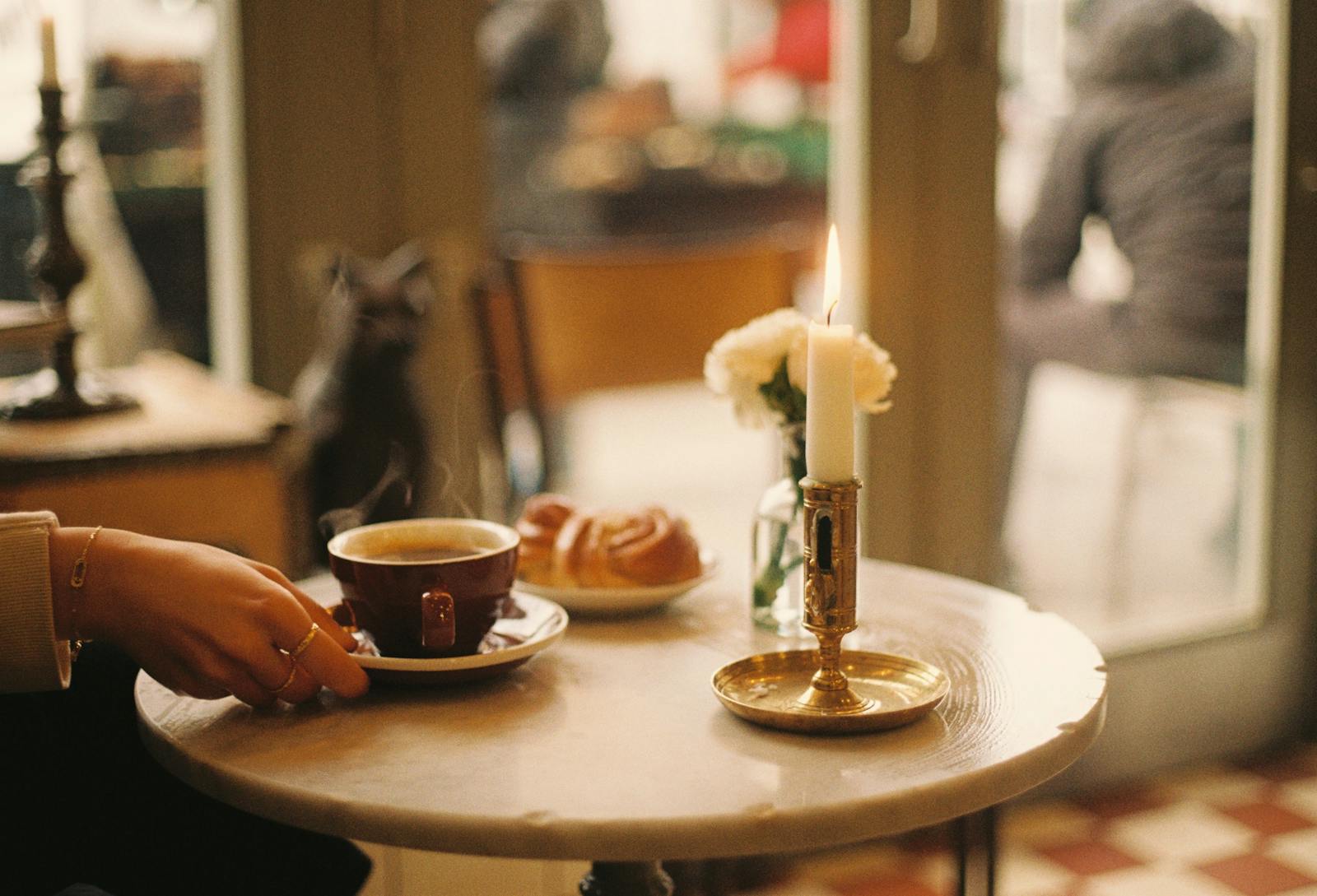


Across the United Kingdom, social habits have been undergoing a significant transformation over the last few decades. Traditionally, pubs have served as the heart of community life, offering a warm atmosphere where locals could gather, share stories, and enjoy a pint. However, in recent years, there has been a noticeable shift towards café culture. This change reflects broader societal trends including the rise of health consciousness, the changing dynamics of socialization, and the influence of lifestyle choices. Cafés now offer more than just coffee; they provide spaces for meetings, casual hangouts, and even remote work. This article aims to explore the nuances of this shift, examining whether cafés are indeed replacing traditional pubs in the UK’s social landscape.
As cafés become more prevalent, they often position themselves as versatile environments. They cater to a diverse audience, including families, students, and professionals. This inclusivity is something that traditional pubs have struggled with, often being viewed as venues primarily for adults seeking an alcoholic beverage. The café culture, on the other hand, promotes a more relaxed atmosphere where people can enjoy a range of drinks, from artisanal coffees to fresh juices, along with healthy food options. This appeal to a broader demographic is a crucial factor in the growing popularity of cafés.
Moreover, the rise of digital technology has played a significant role in this cultural shift. As remote work has become more common, people are seeking comfortable spaces outside of their homes to work. Cafés have embraced this trend, offering free Wi-Fi and a conducive environment for productivity. In contrast, traditional pubs have largely maintained their focus on alcohol and social drinking, which may alienate those looking for a more versatile space.
While this evolution raises questions about the future of pubs, it is essential to recognize that both venues can coexist. Each serves distinct cultural and social purposes. Pubs provide a space for community gatherings, celebrations, and events that are often tied to local traditions. In contrast, cafés are more about casual meet-ups and day-to-day social interactions. Understanding these differences may help us appreciate the unique roles both cafés and pubs play in the evolving social landscape.
Understanding the Appeal of Cafés
Cafés have become much more than just places to grab a quick coffee. They have evolved into vibrant social hubs that cater to a wide range of needs. One of the primary factors contributing to their popularity is the emphasis on experience. Many modern cafés focus on creating an inviting atmosphere where people feel comfortable spending time. This can include cozy seating, aesthetic interior design, and a menu that caters to various dietary preferences.
Another appealing aspect of cafés is their versatility. They are suitable for various occasions, whether it’s a casual meeting, a first date, or simply catching up with friends. The ambiance of a café often encourages longer visits compared to the brisk interactions typically found in pubs. As a result, people are more likely to linger over a cup of coffee or a light meal, fostering deeper conversations and connections.
Additionally, the rise of health consciousness has influenced consumer preferences. Cafés often provide a range of healthier options, including organic and locally sourced ingredients. This trend aligns with the growing public awareness about nutrition and well-being. In contrast, traditional pubs have historically focused on hearty meals and alcoholic beverages, which may not appeal to those seeking lighter fare.
Moreover, the café culture is often closely linked to creativity and innovation. Many cafés host events like open mic nights, art displays, or workshops, drawing in diverse crowds and enhancing the local culture. This creative aspect provides a sense of community that some may find lacking in traditional pubs. Cafés encourage interaction among patrons, leading to a more dynamic social environment.
Furthermore, the integration of technology in cafés has also played a role in their popularity. Many establishments now offer free Wi-Fi and charging stations, making them ideal spots for remote workers and students. This technological aspect has positioned cafés as suitable alternatives to traditional offices or study spaces. In contrast, pubs have not fully embraced this trend, focusing instead on their primary function as drinking establishments.
Comparing Cafés and Pubs: Can They Coexist?
The question of whether cafés are replacing traditional pubs is complex and nuanced. Both venues have their unique characteristics and cater to different social needs. While cafés have gained popularity, this does not necessarily mean that they are replacing pubs. In fact, many communities continue to cherish their local pubs as vital social hubs.
One of the key differences between cafés and pubs is their primary focus. Pubs are often centered around alcohol, while cafés emphasize a broader range of beverages, including coffee and tea. This distinction influences the clientele they attract. Pubs typically draw in individuals looking to unwind with a drink after work, while cafés appeal to those seeking a more relaxed environment for socializing or working.
Moreover, pubs often have a stronger connection to local traditions and events. Many pubs host quiz nights, live music, and other community-oriented activities. These events foster a sense of belonging and community spirit that is integral to the pub experience. On the other hand, cafés may focus more on day-to-day social interactions without the same level of community engagement.
Another aspect to consider is the generational shift in social habits. Younger generations tend to be more health-conscious and may prefer the offerings of cafés over the traditional pub scene. However, this does not mean that they completely disregard pubs. Many young adults still value the experience of gathering with friends over a pint in a pub setting, especially for special occasions.
In conclusion, while cafés have undoubtedly gained traction and popularity in the UK’s social landscape, they are not outright replacing traditional pubs. Both venues serve distinct roles and can coexist, each offering unique experiences that cater to different needs. The future may see a blending of the two cultures, with pubs adapting some of the café’s versatility and cafes embracing elements of pub traditions. This evolution will likely enrich the social fabric of the community.
The Future of Social Spaces in the UK
As we look toward the future, it’s essential to consider how both cafés and pubs may adapt to the changing social landscape in the UK. The rise of remote work and digital communication has altered how people socialize and connect. Cafés have already begun to embrace this change, creating environments conducive to work and leisure. This trend may prompt traditional pubs to rethink their approach, potentially incorporating elements of café culture to attract a broader audience.
Moreover, the emphasis on health and well-being will likely continue to shape consumer preferences. Cafés that offer diverse and healthy food options may gain a competitive edge. Pubs might need to adapt their menus to include lighter fare and non-alcoholic drinks to appeal to a more health-conscious demographic. This evolution could help pubs maintain their relevance in an ever-changing market.
Furthermore, community engagement will remain a crucial aspect of both cafés and pubs. Establishments that host events, support local artists, and create inclusive spaces will likely thrive. As people continue to seek meaningful connections, venues that foster community spirit will be essential in maintaining their appeal.
In summary, while the café culture is on the rise, it does not signify the end of traditional pubs. Instead, we may witness a blending of the two as they adapt to contemporary social demands. Both types of establishments hold unique places in the hearts of the British public, and understanding their evolving roles will be key to navigating the future of social spaces in the UK.
The UK’s café culture is vibrant and multifaceted, providing new opportunities for social interaction. As both cafés and pubs evolve, they will continue to contribute to the rich tapestry of community life.